True’s AI Workflow Summit: 140 Builders, Hands on Keyboards All Day
"Wait, show me exactly how you did that." 140 builders, laptops open, real AI workflows — no keynotes. A recap of the True Ventures AI Workflow Summit in SF, where founders, operators, and builders came together to demo and try new builds.
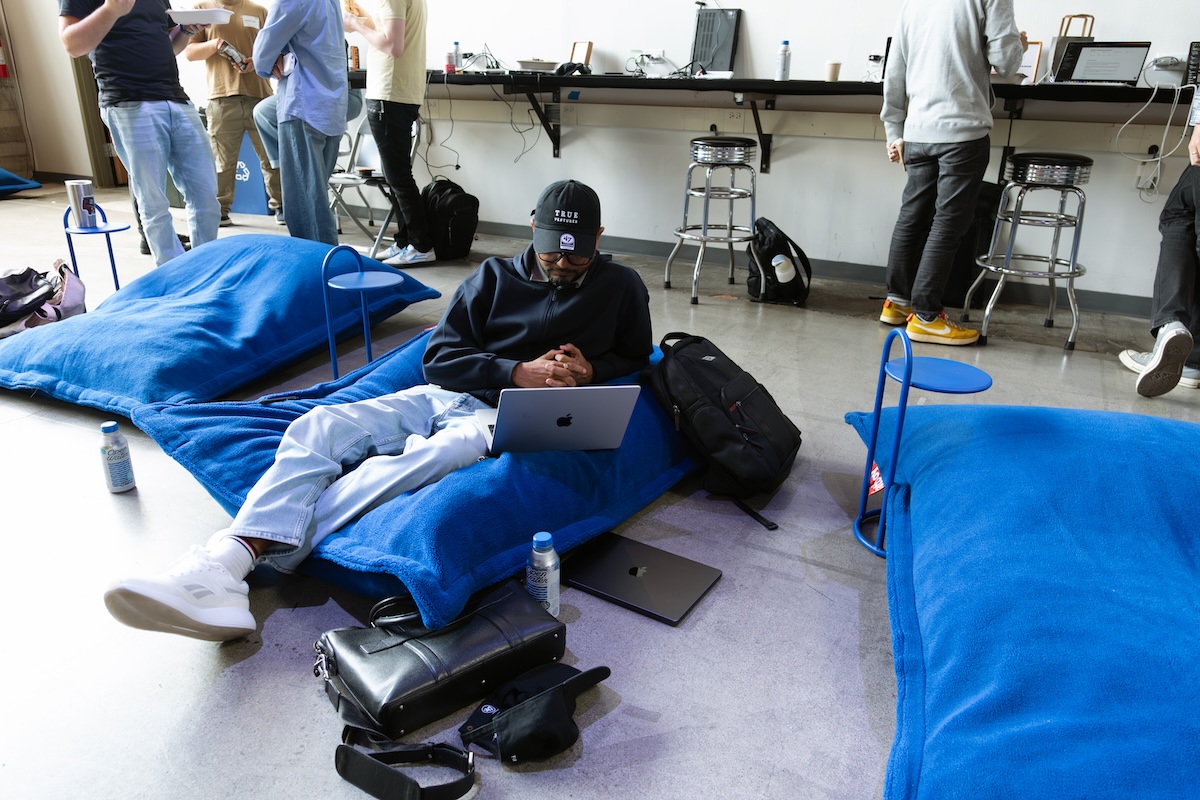
Last month, 140 people showed up to a Dogpatch warehouse ready to learn and build. Our promise to the room: no panels, no keynotes. No "this is what we think AI will do someday." Just founders and builders with their laptops open, showing off the workflows they're running right now.
This was V2 of our AI Workflow Summit. I co-hosted V1 with Kevin Rose for 40 AI-maximalist builders in Venice Beach back in April, and the feedback was so positive, we decided to go bigger in the Bay for V2.
Co-hosted with Natasha Sharma, our most recent AI Workflow Summit was the kind of event I always wanted to attend but could never seem to find.
Who was in the room
Mostly True Portfolio founders and builders attended our summit. But we also expanded the community and invited builders from the wider tech ecosystem, including AI leaders from Anthropic and Google. A few folks in the room hadn't heard of True before – we like to stay slightly under the radar. So it felt like a good sign that they asked how to stay plugged in for future events.
The day was designed around eleven workflow demos spanning every corner of company building. I saw many attendees writing notes on pen and paper, which surprised me. And nobody left when the event ended at 4:00 PM, another good sign.
Here are the overlapping themes we saw from the demos and conversations:
Company brains and data lakes
Company brains and team data lakes are the unlock that most teams are still lagging on. This was the loudest theme of the day. The idea is simple: give your agents one place to read from and write to — the actual operating knowledge of how your team gets things done — and keep teaching it every time it gets something wrong. A living system that workflows run on. This is context engineering and everyone is racing to figure out how to do it. (More on this below!)
Flows within already used platforms
The workflows that stick don't add a new platform to team work. Integrate seamlessly into the places where your teammates are already spending the most time. The best demos didn’t showcase slick dashboards nobody logs into; they were workflows that meet people exactly where they already are.
One founder spent hours building a beautiful internal site, then scrapped it and moved the whole thing into Slack. Nobody's going to a new site or dash to log in. Watch where the big platforms are heading and it's the same bet.
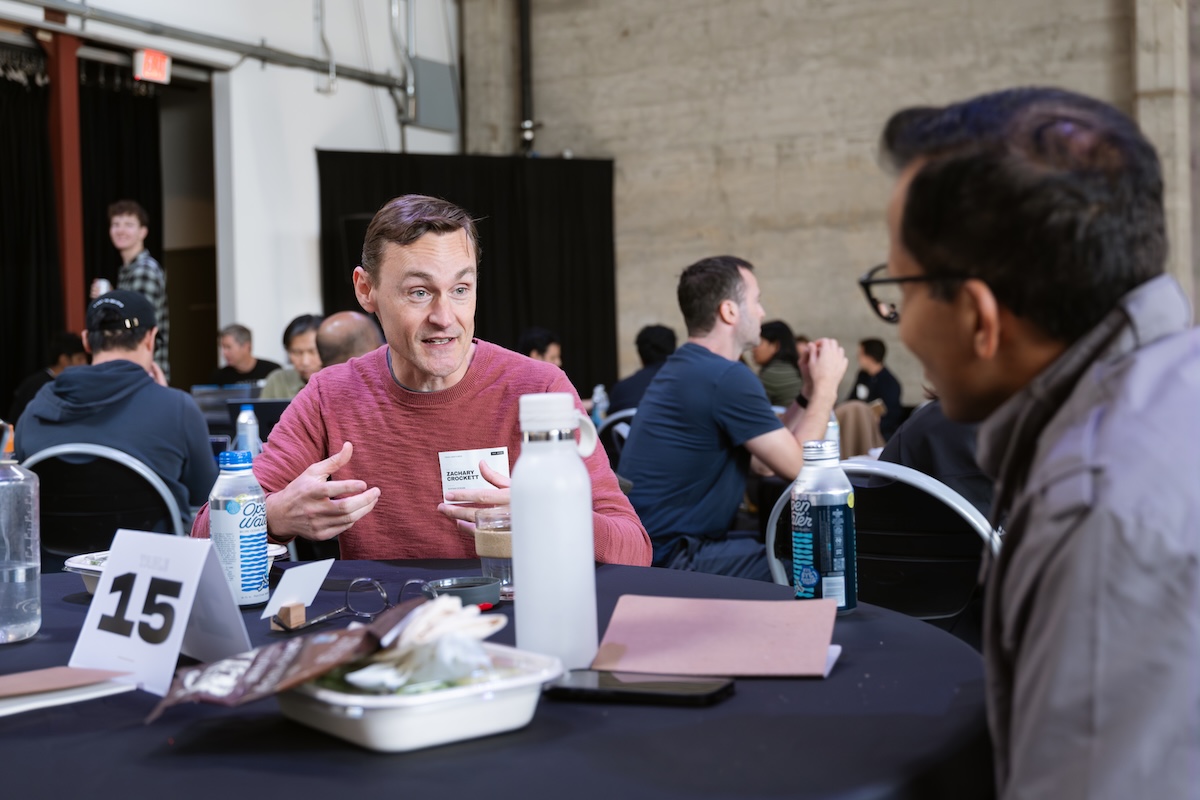
Open source as top-of-funnel
A few founders in the room are getting real, significant inbound (enterprise leads and partnerships) not from a traditional outbound sales motion but from building in public and shipping things people can use. Turns out the best proof that you know AI is actually just building with AI. Who knew. :)
The value of good judgment
Taste and judgment are getting more valuable, not less. We keep hearing this, and we're so glad. Thinking about where people can have the most outsized role in the "AI sandwich" is where it's at. Spend your energy at the front, with a precise plan and clear intent, and at the end, polishing and using your judgment to make the final call on when something's done. Let the agents crush the messy middle.
And the loop needs to compound: every time you teach the system something, it does that for you next time, so you can focus on the next thing. As one engineering leader put it recently: AI writes the code, AI reviews the code, and your job is to write the loops around it. We loved that.
Real GTM workflows, not theory
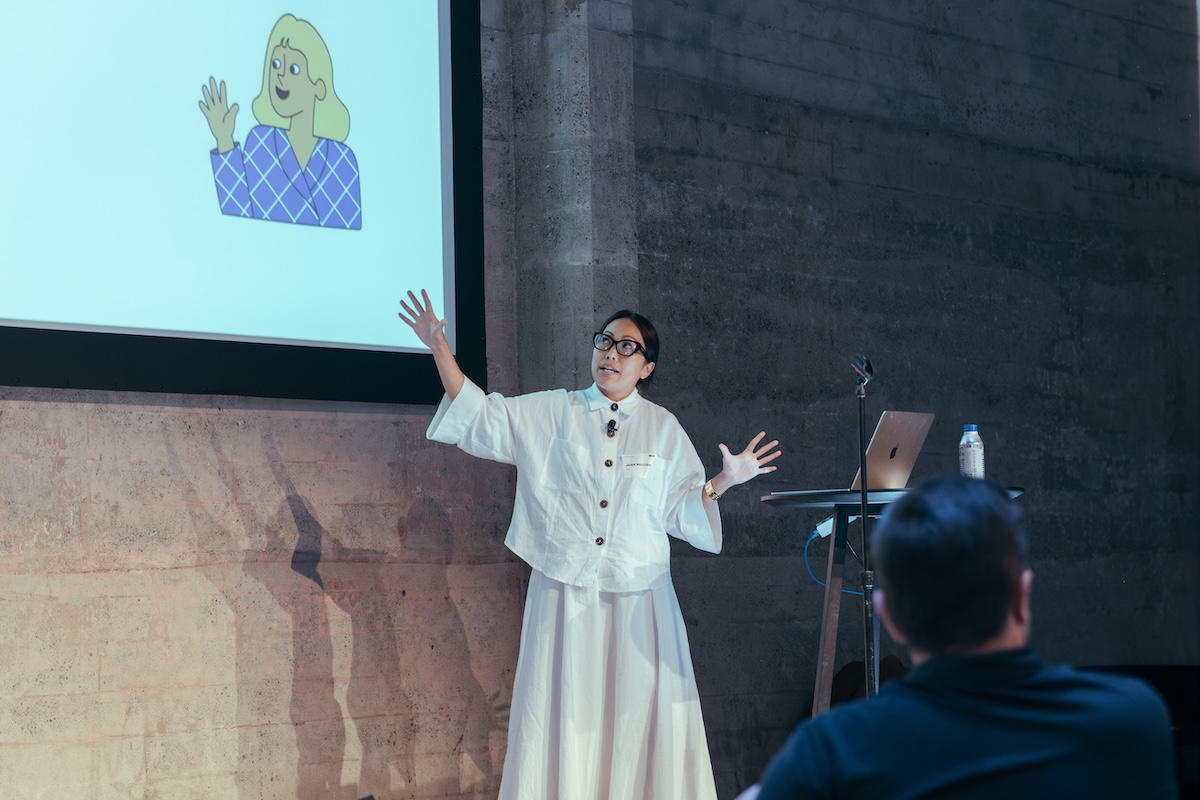
Some of the sharpest demos were go-to-market. One founder walked through an AI-first social media system, basically her own personalized agency she stood up the week prior. The system was built around narrow agents feeding context to planner agents who oversee the agency of agents… with a human approving before anything ships.
This is the shape the best new companies are taking: small teams, a couple of people on GTM, agents doing the rest, real traction faster than the old playbook allowed. Overheard in the room: what even is a member of technical staff … Everyone should be focused on creativity and commercialization while building.
What I loved most about the day was the sense of community and curiosity. Nobody was pretending to have it figured out. People showed how things broke, what they were still stuck on, what they were still figuring out in real time.
(We also broke the wifi because everyone was building at once. Worth it. We got it back up.)
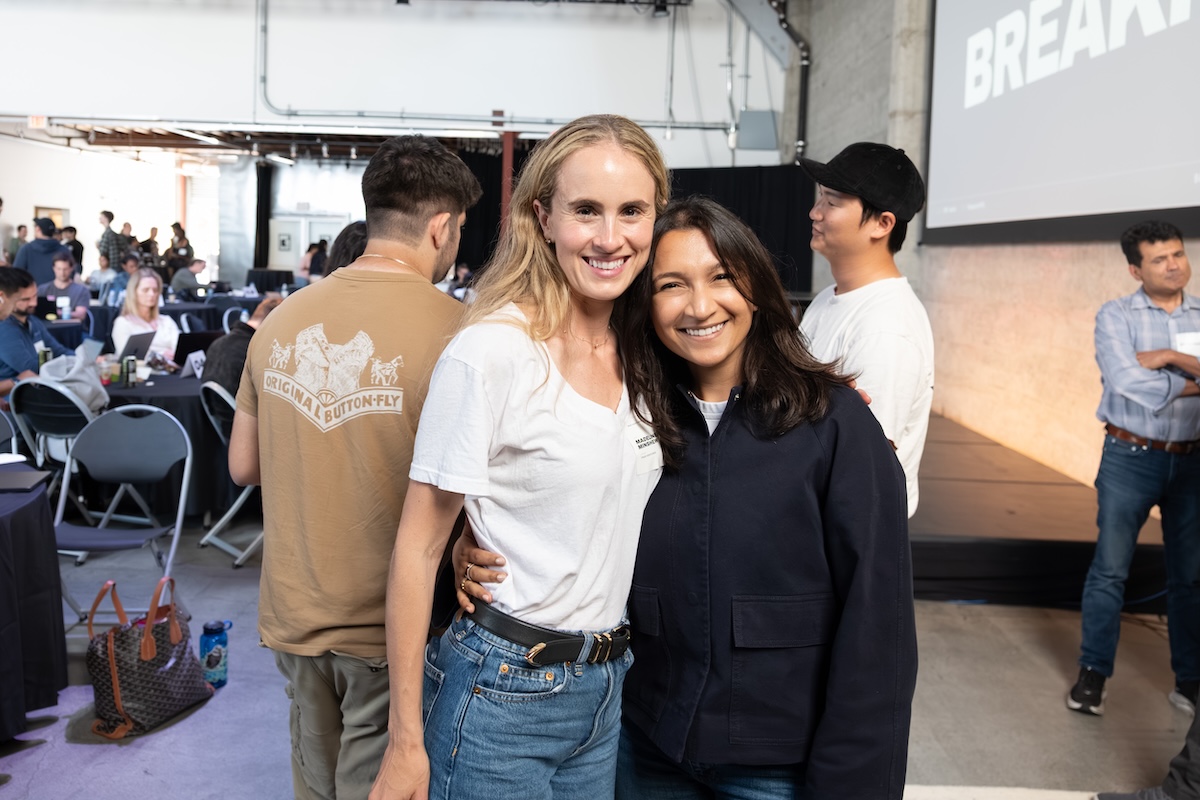
Huge gratitude to every founder and builder who showed up and shared. That's what made the day what it was.
The top request coming out of the room was a dedicated "Company Brain" session, a single-day format where founders walk out with a working version for running their companies. We're planning to host that this fall.
The answer is in the room. We'll see you at the next one.